
Service
Fire and Safety Services
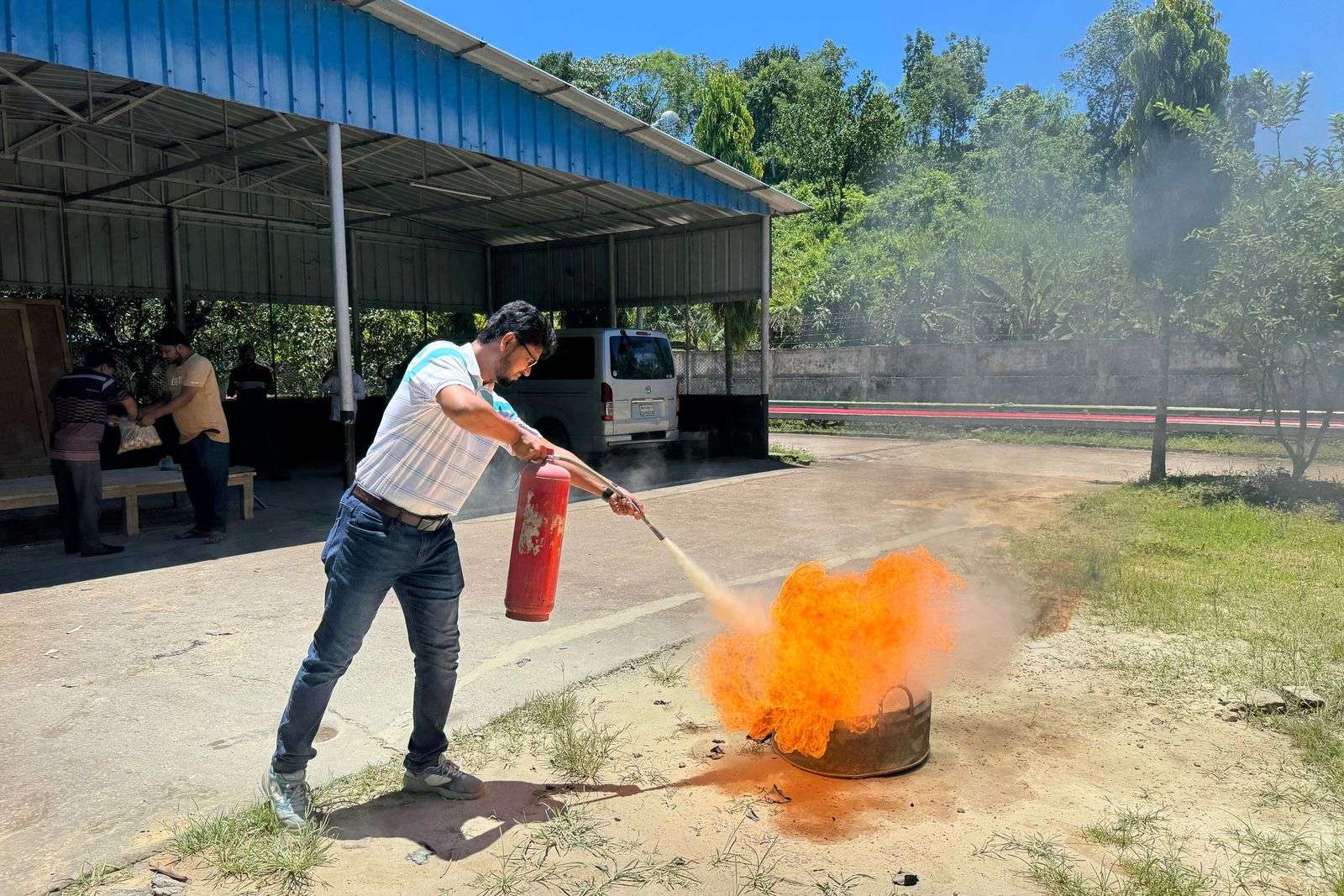
Fire marshals, fire watchers and safety stewards who prevent incidents and lead the first response. They run drills, check equipment and stand watch during hot work.
Scope
What's included
The final scope is fixed after a site survey and written into the contract, post by post and area by area.
- Fire marshals for buildings, plants and events
- Fire watchers for hot work, shutdowns and confined spaces
- Safety stewards for construction and project sites
- First aid trained staff in every shift
- Evacuation drills with a timed report
- Monthly checks of extinguishers, hydrants and hose reels
- Fire pump room and alarm panel monitoring
- Work permit checks for height, hot work and electrical jobs
- Toolbox talks and safety induction for contract workers
- Emergency response plan and assembly point management
People
Roles we deploy
Shift patterns follow your site timings and the working hour limits in the applicable labour law.
| Role | Responsibility | Typical shift |
|---|---|---|
| Fire Marshal | Leads the fire response team, runs drills, checks exits and equipment daily. | 8 or 12 hours, round the clock |
| Fire Watcher | Stands watch during hot work with an extinguisher, stops work if conditions are unsafe. | As per the work permit |
| Safety Steward | Checks PPE, permits and barricading. Reports unsafe acts and conditions. | 8 hours, as per site |
| Safety Supervisor | Conducts inductions and toolbox talks, investigates near misses, keeps safety records. | General, with shift cover |
| First Aider | Gives first aid, maintains the first aid box and the injury register. | 8 hours, every shift |
Industries
Industries we do this for



Management
How it is managed
Supervision, reporting and service levels are written into the contract, not left to the site.
01
Supervision
A safety supervisor leads the team and reports to your EHS head. Our safety officer audits the site at a fixed interval.
02
Reporting
Daily safety observation report, drill reports with evacuation time, equipment check sheets and a monthly near miss summary.
03
Service levels
Drill frequency, equipment check frequency and staffing per shift are fixed in the scope. Staff are trained before posting.
04
Technology
Checklists and observations are recorded and shared with your EHS team.
Questions
Fire and Safety Services: what clients ask
Plain answers on law, wages and how the service runs. For anything specific to your site, ask for a survey.
Ask about your siteWhat training do your fire staff have?
Fire staff are trained in fire science basics, extinguisher and hydrant use, evacuation and first aid. Certificates are shared before posting.
Do you maintain fire equipment as well?
Our staff inspect and test equipment and report defects. Refilling, hydro testing and repairs are done by the authorised vendor, which we can coordinate.
How often should evacuation drills be held?
The National Building Code and state fire rules expect regular drills, commonly every six months for occupied buildings and more often for high risk sites. We plan the calendar with your EHS team.
What does a fire watcher do during hot work?
Checks the permit, clears combustibles, keeps an extinguisher ready, watches for sparks during the job and stays for a set period after it ends.
Can you provide the Fire NOC for our building?
No. The Fire NOC is issued by the state fire service to the building owner. We help you stay ready for inspection with records, drills and equipment checks.